

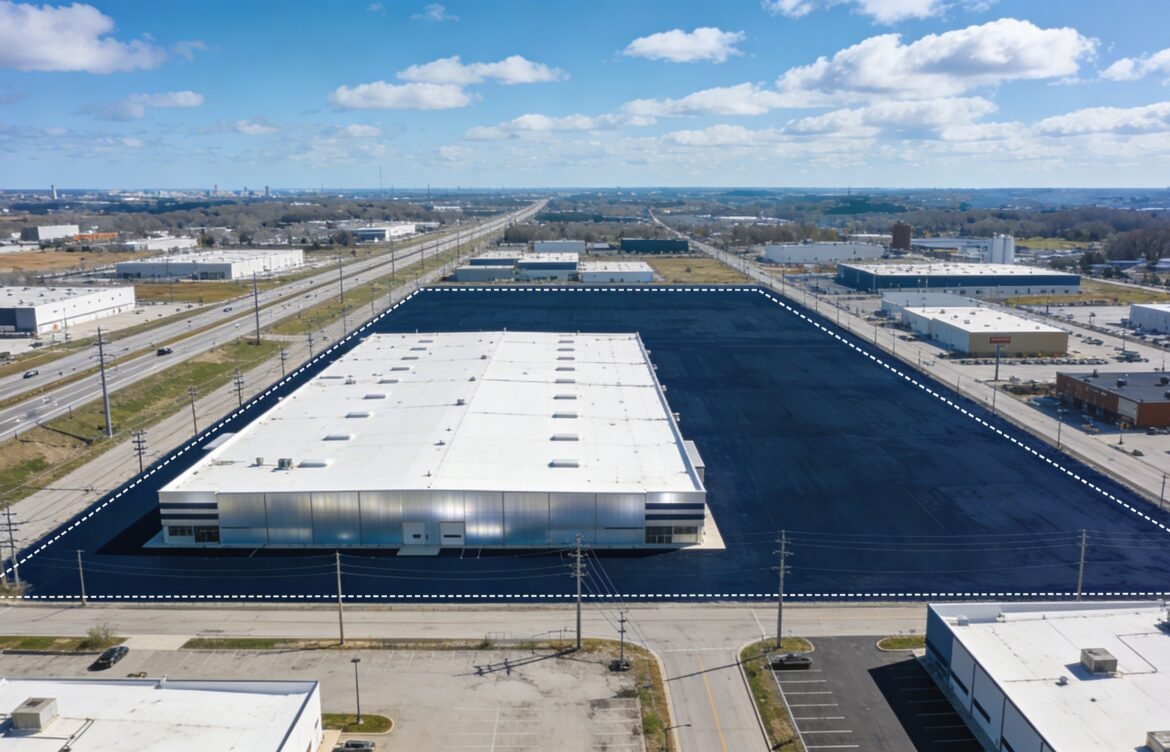
How to Sell Commercial Land in Michigan — The Complete Guide for Land, Medical Office & Mixed-Use Property
Michigan’s commercial real estate market is one of the most active in the Midwest heading into 2026. If you own a vacant development parcel, a healthcare facility, or a mixed-use investment property and are ready to exit, knowing exactly how to sell commercial land in Michigan quickly and profitably can save you months of carrying costs and tens of thousands in unnecessary fees. This guide gives you everything you need — from pricing strategy to closing — without a broker eating into your proceeds.
Why Michigan Commercial Sellers Are Choosing Direct Sales in 2026
Traditional broker listings for commercial land and specialty assets average 6 to 12 months on the market — with no guarantee of closing at the end. Rising property taxes, insurance costs, and maintenance obligations make holding underperforming or vacant assets increasingly expensive every month.
Sellers who sell commercial land in Michigan directly to cash buyers are closing in 7 to 30 days, retaining full equity, and avoiding the 4%–6% commission that traditional brokers charge on every transaction. In today’s market, going direct is not just faster — it’s smarter.
How to Value Commercial Land in Michigan Before You Sell
Pricing commercial land incorrectly is the fastest way to lose a buyer before negotiations even begin. When you sell commercial land in Michigan, buyers evaluate your parcel based on zoning, development potential, infrastructure availability, and recent comparable land sales — not what you paid for it.
Key valuation factors when you sell commercial land in Michigan:
- Zoning classification — C-1, C-2, B-3, and M-1 zoning directly determine your permitted uses and buyer pool size
- Utilities and infrastructure — land with water, sewer, gas, and electric connections at the site commands significant premiums over raw unserviced parcels
- Access and frontage — visibility and access on major Michigan corridors like M-59, US-23, and I-75 drives land pricing significantly
- Development entitlements — parcels with approved site plans, permits, or environmental clearances are far more liquid than unentitled raw land
- Proximity to growth corridors — land near expanding commercial zones in Grand Rapids, Ann Arbor, and Metro Detroit trades at measurable premiums
- Size and usable acreage — lot dimensions, depth, and shape affect how many buyers can realistically develop the site
A certified land appraisal or commercial broker price opinion gives you a defensible, market-based number before you enter any negotiation.
How to Sell a Medical Office Building in Michigan
Medical office buildings are among the most liquid commercial assets in Michigan right now. An aging population, healthcare sector expansion, and strong tenant creditworthiness make these properties highly attractive to institutional and private investors alike.
To sell medical office building in Michigan efficiently:
- Lead with tenant quality — medical tenants including hospitals, specialty practices, and federally qualified health centers are considered investment-grade; highlighting this accelerates buyer confidence significantly
- Highlight NNN lease structures — triple net leases where tenants cover taxes, insurance, and maintenance command premium valuations from passive income buyers
- Know your cap rate range — Michigan medical office buildings currently trade between 5.5% and 7.5% cap rates depending on lease term remaining, location, and tenant mix
- Target healthcare-focused investors — REITs, medical real estate funds, and private equity groups specializing in healthcare assets are the most active and highest-paying buyers in this segment
- Prepare a complete rent roll — lease expiration dates, rent escalations, and tenant renewal options are the first documents buyers request when you sell medical office building in Michigan
How to Sell Mixed Use Property in Michigan
Mixed-use properties combining retail, office, and residential components require a nuanced approach because they attract multiple buyer types with different valuation priorities.
To sell mixed use property in Michigan fast and at full value:
- Separate your income streams — document retail income, residential rents, and office income independently so buyers can clearly evaluate each component
- Highlight residential occupancy — strong residential occupancy provides income stability that offsets retail or office vacancy risk when you sell mixed use property in Michigan
- Know your buyer pool — mixed-use buyers include urban infill developers, value-add investors, and long-term hold buyers; each values your asset differently
- Target urban corridor buyers — Michigan’s mixed-use market is strongest in Detroit’s Midtown and Corktown, Grand Rapids’ downtown core, and Ann Arbor’s commercial districts
- Consider condominium conversion — sometimes a mixed-use building returns more value when marketed as individual units; understanding this before listing maximizes your total exit price
The Fastest Exit: Go Direct to Cash Buyers
Regardless of whether you want to sell commercial land in Michigan, exit a medical office building, or sell mixed use property in Michigan — the fastest and most cost-effective strategy is working directly with cash buyers. These are private equity firms, real estate investment groups, and high-net-worth investors who close without bank financing — eliminating appraisal delays, loan contingencies, and last-minute deal collapses.
I Sell Commercial Assets connects Michigan commercial land, medical office, and mixed-use property owners directly with pre-qualified cash buyers ready to close fast — any asset type, any condition, any Michigan city.
Benefits of selling direct include:
- Close in 7–30 days from accepted offer
- As-is purchases — no remediation, repairs, or upgrades required
- Zero commission — eliminate the 4%–6% broker fee entirely
- No financing contingencies — certainty of close from day one
- Flexible closing timelines — you set the date
Mistakes That Slow Down Your Sale
Avoid these common seller errors:
- Unresolved title issues — liens, easements, and encroachments must be identified before closing
- Missing zoning documentation — buyers need permitted use verification quickly; have zoning confirmation letters ready
- Overpricing vacant land — undeveloped parcels must reflect development risk or buyers walk immediately
- Targeting the wrong audience — land, medical office, and mixed-use buyers are distinct; a generic listing approach wastes valuable time
Michigan’s 2026 Market Rewards Prepared Sellers
Across Detroit, Grand Rapids, Ann Arbor, Lansing, and Kalamazoo, investor demand for commercial land, medical office buildings, and mixed-use assets is strong and capital is ready to deploy. Sellers who arrive organized — with clean financials, accurate pricing, and direct access to active buyers — are closing deals in weeks.
If you’re ready to sell commercial land in Michigan, exit a medical office building, or sell mixed use property in Michigan, now is the moment to act — and I Sell Commercial Assets is ready to help you close fast, clean, and commission-free.
Frequently Asked Questions
Q1. How do I sell commercial land in Michigan fast for cash?
To sell commercial land in Michigan fast, organize your zoning documentation, utility connection records, and any existing entitlements or site plans. Price your parcel based on recent comparable land sales and connect directly with cash buyers who specialize in commercial land acquisitions. This approach eliminates broker commissions and reduces your closing timeline from 9 months to as little as 7–30 days.
Q2. What is the best way to sell a medical office building in Michigan?
The best way to sell medical office building in Michigan is to lead with your tenant quality, NNN lease structure, and rent roll documentation. Healthcare-focused investors including REITs and medical real estate funds are the most active buyers in this segment — targeting them directly rather than listing on general platforms helps you sell medical office building in Michigan significantly faster and at a stronger cap rate.
Q3. Can I sell mixed use property in Michigan if it has vacant units?
Yes. You can sell mixed use property in Michigan even with partial vacancy by targeting value-add investors who specialize in repositioning underperforming assets. Pricing the property to reflect current occupancy levels and working directly with cash buyers removes financing delays and helps you sell mixed use property in Michigan regardless of current tenant status.
Q4. Who are the most active buyers when I sell commercial land in Michigan?
When you sell commercial land in Michigan, the most active buyers include real estate developers, private equity land funds, logistics companies seeking industrial sites, and high-net-worth individual investors. Many of these buyers are cash buyers who close without bank financing — making them the fastest and most reliable option for Michigan commercial land sellers.
Q5. How is commercial land valued when selling in Michigan?
When you sell commercial land in Michigan, value is determined by zoning classification, utility availability, highway access and frontage, development entitlements, proximity to growth corridors, and usable acreage. Entitled parcels with infrastructure connections in high-growth areas like Grand Rapids, Ann Arbor, and Metro Detroit command the strongest valuations.