

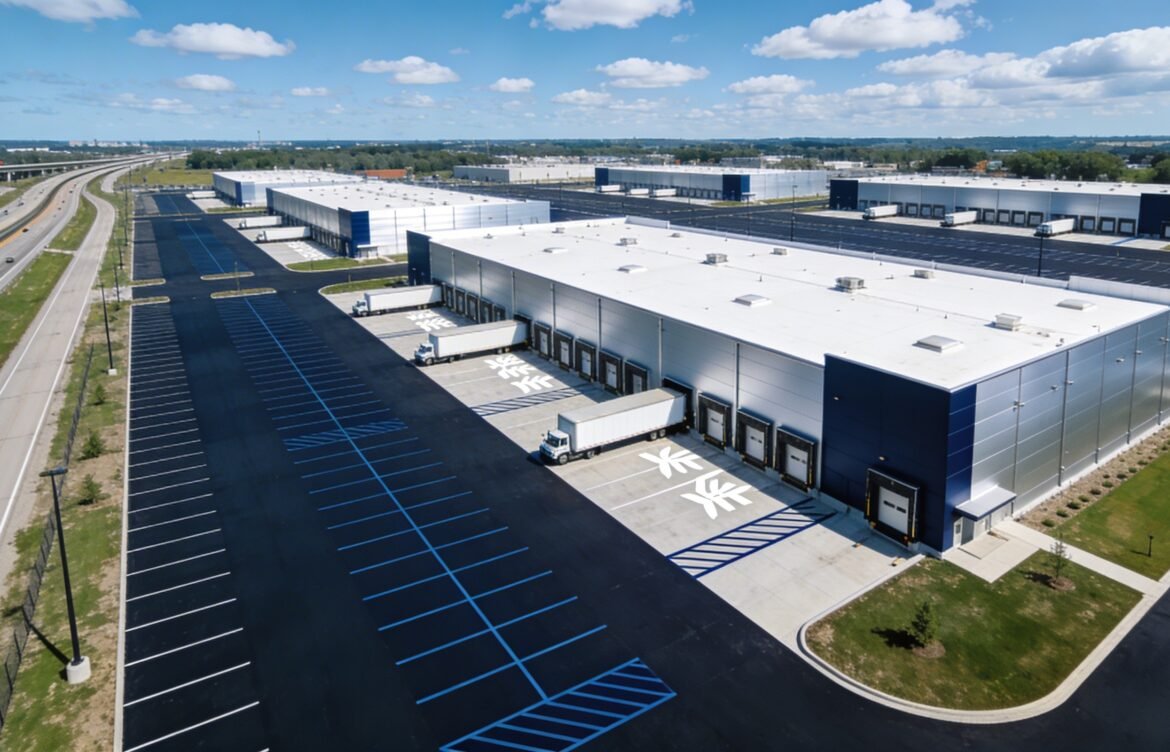
How Do I Sell Warehouse & Industrial Property in Grand Rapids Without Paying Commission?
Michigan’s commercial real estate market is shifting fast in 2026. If you own a warehouse, industrial facility, or storefront and are ready to move on, understanding how to sell warehouse in Michigan quickly — and profitably — can save you months of carrying costs and tens of thousands in unnecessary fees. Whether your property is occupied, vacant, or underperforming, this guide gives you the complete roadmap from valuation to closing.
Why Michigan Commercial Property Owners Are Selling Now
Industrial and retail assets across Michigan are seeing strong investor interest in 2026. Supply chain reshoring, e-commerce growth, and last-mile logistics demand have kept warehouse valuations elevated across Southeast and West Michigan. Meanwhile, retail corridor activity in cities like Grand Rapids, Lansing, and Ann Arbor is attracting value-add buyers looking for repositioning opportunities.
For sellers, this creates a clear window. If your goal is to sell warehouse in Michigan or offload a retail or industrial asset quickly, the buyer pool is deeper right now than it has been in several years — and motivated sellers with clean financials are closing fast.
Know Your Property’s Value Before You List
Pricing a commercial asset incorrectly is the fastest way to kill a deal before it starts. Industrial and warehouse properties in Michigan are valued using the income approach, the sales comparison approach, or replacement cost method — depending on whether the asset is leased or owner-occupied.
Key factors that determine value when you sell warehouse in Michigan:
- Clear height and dock doors — industrial buyers pay a premium for functional specs like 24’+ clear height and multiple loading docks
- Zoning classification — M-1 and M-2 zoning in Michigan affects buyer pool and permitted uses significantly
- Lease status — NNN-leased properties command stronger valuations than vacant buildings
- Location and access — proximity to I-94, I-96, and US-131 corridors drives industrial pricing across the state
- Building condition — roof, HVAC, electrical, and structural integrity are the first things buyers inspect
Getting a certified appraisal or commercial broker price opinion before entering negotiations ensures you don’t underprice a strong asset or overprice yourself out of the market.
How to Sell Industrial Property in Grand Rapids
Grand Rapids is one of Michigan’s most active commercial markets right now. Manufacturing, food processing, logistics, and healthcare distribution have kept industrial demand strong across the metro’s west side. If you want to sell industrial property in Grand Rapids, positioning your asset correctly for the local buyer pool is critical.
Here’s what Grand Rapids industrial sellers need to know:
- Target regional logistics and manufacturing buyers — these are the most active acquirers of industrial product in the Grand Rapids MSA
- Highlight proximity to US-131 and M-6 — highway access is a top priority for industrial buyers evaluating industrial property in Grand Rapids
- Price against recent comparable sales — Grand Rapids industrial assets have traded at $60–$120 per square foot depending on spec, size, and lease status in recent quarters
- Consider sale-leaseback options — if you’re an owner-occupant, a sale-leaseback lets you unlock equity while continuing operations
- Work directly with investor buyers — bypassing the traditional listing process when you sell industrial property in Grand Rapids can cut your timeline from 9 months to 30 days
How to Sell Retail Space in Michigan Fast
Retail is more nuanced than industrial — but strong retail assets still move quickly when priced and positioned correctly. Strip centers, standalone retail buildings, mixed-use storefronts, and net-leased retail properties all attract different buyer profiles.
To sell retail space in Michigan fast, follow these targeted steps:
- Lead with your tenancy — NNN-leased retail with national or regional tenants is the most liquid product in the Michigan retail market right now
- Highlight traffic counts and demographics — buyers evaluate daily traffic volume, household income within 1–3 miles, and population density before anything else
- Price for current market conditions — Michigan retail cap rates currently range from 6% to 8.5% for stabilized assets; vacant retail requires deeper pricing to move
- Target 1031 exchange buyers — investors rolling proceeds from other sales are among the most motivated buyers of stabilized retail assets and help you sell retail space in Michigan fast
- Don’t wait for full occupancy — value-add buyers will purchase partially vacant retail; waiting for 100% occupancy often costs more in carrying costs than it gains in price
The Fastest Path: Go Direct to Cash Buyers
Regardless of property type — warehouse, industrial, or retail — the single fastest way to close is working directly with cash buyers. These investors don’t depend on bank financing, which eliminates appraisal delays, loan contingencies, and lender-driven deal collapses.
Whether you want to sell warehouse in Michigan, sell industrial property in Grand Rapids, or sell retail space in Michigan fast — cash buyers offer:
- Closing in 7–30 days from accepted offer
- As-is purchases — no repairs, renovations, or remediation required
- No commission costs — direct sales eliminate the 4%–6% broker fee
- Flexible closing dates — you control the timeline
- Certainty of close — no financing contingencies means no last-minute surprises
I Sell Commercial Assets connects Michigan warehouse, industrial, and retail property owners directly with pre-qualified cash buyers who are ready to close fast — on your terms, without the middleman.
Mistakes That Slow Down Your Sale
Avoid these common seller errors:
- Incomplete financials — missing lease abstracts or expense records stall due diligence immediately
- Overpricing vacant assets — empty buildings must be priced to reflect carrying risk or buyers walk away
- Listing on retail platforms only — LoopNet and CoStar work for some assets but miss the direct investor buyer pool entirely
- Delaying legal counsel — have a commercial real estate attorney engaged before you accept any offer
Michigan’s 2026 Market Rewards Fast, Prepared Sellers
Across Detroit, Grand Rapids, Lansing, Kalamazoo, and Flint, buyer demand for warehouse, industrial, and retail assets is active and capital is ready to deploy. Sellers who come prepared — with clean financials, realistic pricing, and direct access to cash buyers — are closing deals in weeks, not months.
If you’re ready to sell warehouse in Michigan, offload industrial holdings, or sell retail space in Michigan fast, now is the time to act.
Frequently Asked Questions
Q1. How do I sell a warehouse in Michigan fast without a realtor?
To sell warehouse in Michigan fast without a realtor, start by organizing your financials, lease agreements, and property specs. Then connect directly with cash buyers who purchase commercial assets without financing contingencies. This approach eliminates the 4%–6% broker commission and can reduce your closing timeline from 9 months to as little as 7–30 days.
Q2. What is the best way to sell industrial property in Grand Rapids?
The best way to sell industrial property in Grand Rapids is to price it accurately based on recent comparable sales, highlight key specs like clear height, dock doors, and highway access, and target regional logistics and manufacturing investors directly. Bypassing the traditional listing process and working with direct cash buyers helps you sell industrial property in Grand Rapids significantly faster.
Q3. Can I sell retail space in Michigan fast if it is vacant?
Yes. You can sell retail space in Michigan fast even if it is partially or fully vacant by targeting value-add investors who specialize in repositioning underperforming retail assets. Pricing the property to reflect current vacancy risk and working directly with cash buyers removes financing delays and helps you sell retail space in Michigan fast regardless of occupancy status.
Q6. How long does it take to sell industrial property in Grand Rapids to a cash buyer?
When selling to a cash buyer, the timeline to sell industrial property in Grand Rapids is typically 7 to 30 days from accepted offer to closing. This is dramatically faster than the traditional broker listing process, which averages 6 to 12 months for industrial assets in the Grand Rapids market.
Q7. Why should I sell retail space in Michigan fast rather than waiting?
Carrying costs — including property taxes, insurance, utilities, and maintenance — accumulate every month you hold a vacant or underperforming retail asset. Sellers who choose to sell retail space in Michigan fast lock in today’s favorable investor demand, avoid further cost accumulation, and free up capital for higher-performing opportunities without waiting for market conditions to change.